Demand Charges

Demand charges are a major component of many commercial electricity bills and are based on the highest level of power a building draws during a short interval, often fifteen or thirty minutes. Because utilities must maintain enough generation and grid capacity to supply electricity whenever it is needed, even a brief spike in demand can determine a large portion of a monthly bill. The articles in this section explain what demand charges actually measure, how utilities calculate peak demand, and why short intervals of high electricity use can dominate commercial electricity costs.
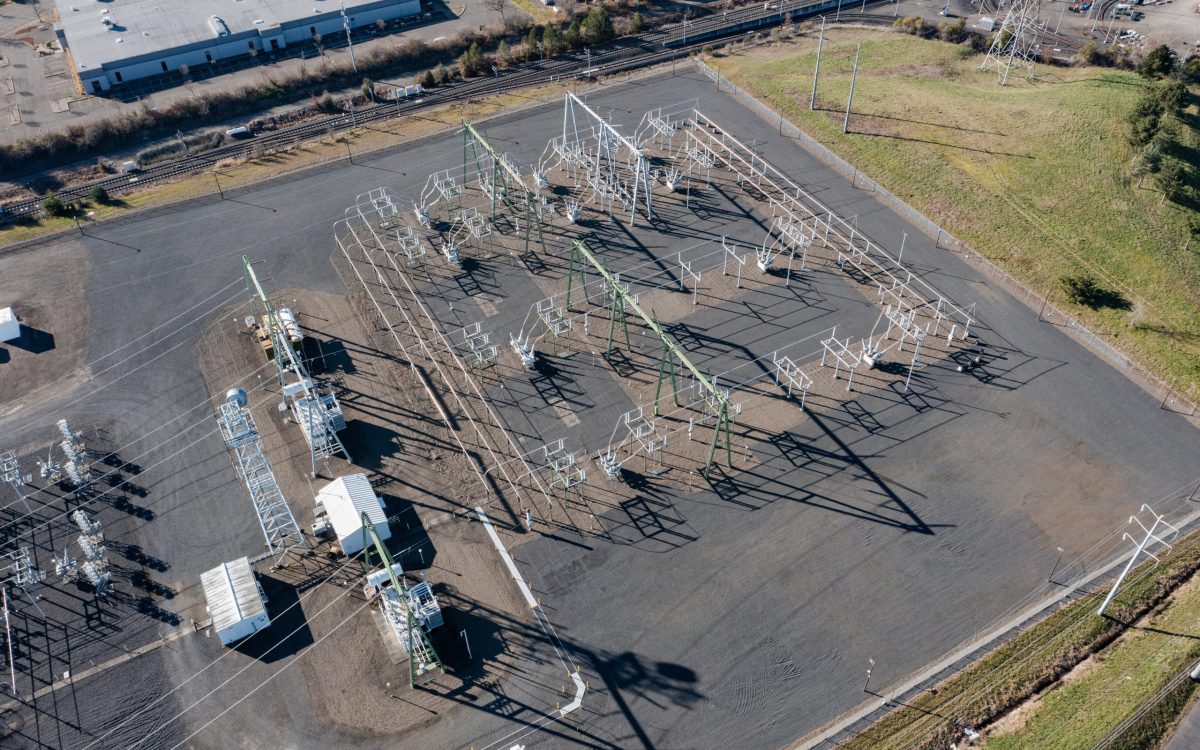

What Is a Demand Charge on a Electricity Bill?

What is a demand charge on an electricity bill? Learn how utilities calculate peak demand, why one short spike can set your monthly charge, and where demand charges appear on commercial electricity bills.

What Is Peak Demand in Electricity?

Peak demand is the highest level of power a building draws during a billing interval. Learn how utilities calculate demand charges, how peak demand appears in interval data, and why it often determines a large share of commercial electricity costs.

What Demand Charges Actually Measure

Most commercial electricity costs are driven by short periods of peak demand rather than total energy consumption. Utilities must build generation, transmission, and distribution capacity to serve those peaks, even if they occur only a few hours per month. Demand charges are designed to recover those infrastructure costs, but they are often misunderstood because traditional bills summarize usage instead of revealing when peaks occur.